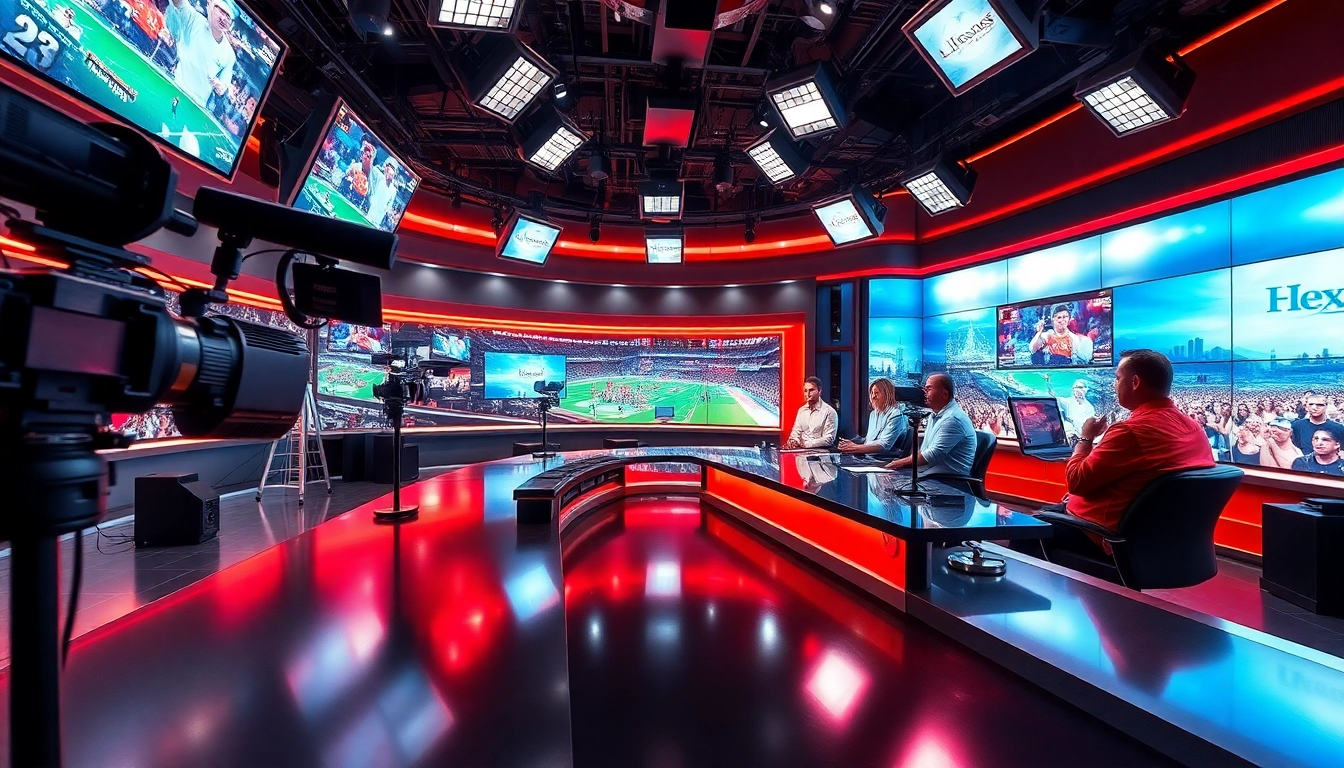
Understanding the Basics of Sports Broadcasting
What is Sports Broadcasting?
Sports Broadcasting is the transmission of live or recorded sports events over various media channels, including television, radio, and online platforms. It’s a vital component of the sporting world, as it allows fans to engage with their favorite teams and athletes across the globe. In today’s digital age, Sports Broadcasting has evolved significantly, offering a variety of formats and platforms for delivery.
Key Components of Sports Broadcasting
Sports Broadcasting involves several key components that work together seamlessly to deliver the experience to fans. These include:
- Production: This includes pre-production planning, camera work, and live editing to create a seamless viewing experience.
- Commentary: Offering expert insights and play-by-play narration enhances the viewer’s understanding and enjoyment.
- Graphics and Data: Visual elements and statistics provide context and deeper engagement for the audience.
- Distribution: Tailoring content delivery through various channels, such as cable networks and streaming platforms, to reach a wide audience.
Importance of Audience Engagement in Sports Broadcasting
Engaging the audience is essential for the success of Sports Broadcasting. Broadcasters employ various strategies to keep viewers interested, such as interactive polls, social media integration, and personalized content. The more involved viewers feel, the more likely they are to return for future broadcasts, creating a loyal fan base that benefits both advertisers and networks.
Technology Trends in Sports Broadcasting
Streaming Platforms and Their Impact
The rise of streaming platforms has revolutionized Sports Broadcasting, allowing fans access to on-demand content. Major sports leagues now stream events live on their platforms, complemented by additional features such as multi-camera angles and expert commentary options. Streaming enables broadcasters to serve niche audiences who are often underserved by traditional sports media.
Using Social Media for Enhanced Broadcasting
Social media serves as a powerful tool for enhancing Sports Broadcasting. Platforms like Twitter, Instagram, and Facebook allow broadcasters to share real-time updates, engage with fans, and promote events. Additionally, user-generated content can amplify reach and foster community around sports, providing an interactive experience seldom seen in traditional broadcasting.
Innovations in Broadcasting Equipment
Technological advancements have introduced state-of-the-art broadcasting equipment, such as high-definition cameras and drones. These innovations offer stunning visuals and the ability to capture dynamic angles, enriching the viewing experience. Moreover, the implementation of augmented reality can provide real-time statistics overlaid on broadcasts, engaging fans in unprecedented ways.
Challenges Faced by Sports Broadcasters
Regulatory Compliance Issues
Sports Broadcasters face significant regulatory compliance issues, particularly when it comes to broadcasting rights. Securing the necessary permissions involves navigating complex legal frameworks, which can vary widely by region and sport. Staying ahead of these regulations is essential to avoiding hefty fines and maintaining credibility in the industry.
Competition in the Sports Broadcasting Industry
The competition in Sports Broadcasting is fierce, with numerous providers vying for viewers’ attention. This competition drives innovation but also presents challenges for broadcasters trying to differentiate themselves. Offering unique content and enhancing viewer experience through new technologies can help establish a distinct identity in a crowded market.
Changing Viewer Preferences
Viewer preferences are evolving, significantly impacting Sports Broadcasting. Today’s audiences favor content that is flexible, personalized, and interactive. Broadcasters must adapt to these changing tastes by incorporating features like multi-platform viewing options and personalized content recommendations to retain viewers.
Best Practices for Successful Sports Broadcasting
Building a Strong Brand Identity
Creating a strong brand identity for a Sports Broadcasting network is crucial for long-term success. This involves developing a unique voice, aesthetic, and mission that resonates with the target audience. Consistency across all platforms and content types fosters a sense of community among viewers, increased loyalty, and trust in the brand.
Utilizing Data Analytics for Audience Insights
Leveraging data analytics can significantly enhance a broadcaster’s understanding of their audience. By analyzing viewer behaviors, preferences, and interactions, broadcasters can tailor content to meet the specific needs and interests of their viewers. Data-driven decisions can lead to improved content relevance, greater engagement, and ultimately, higher viewership.
Creating Engaging Storytelling Techniques
Successful Sports Broadcasting relies heavily on storytelling techniques to create emotional connections with the audience. Broadcasters should focus on telling compelling narratives around athletes, teams, and key moments in sports. Integrating behind-the-scenes footage, personal player stories, and historical context can enrich the viewing experience and keep audiences engaged.
Future of Sports Broadcasting
Virtual and Augmented Reality in Broadcasting
The future of Sports Broadcasting is bright with the incorporation of virtual and augmented reality technologies. These innovations can provide immersive experiences, allowing fans to feel as though they are part of the event. For instance, augmented reality can overlay live stats and player information directly into the viewing experience, while virtual reality can transport fans to the front row of the game.
Globalization and Its Effects on Sports Broadcasting
The globalization of sports has created an expansive audience for broadcasters, allowing them to tap into international markets. This trend necessitates localized content and adaptation to cultural preferences. Broadcasters embracing globalization can expand their reach and cater to a more diverse audience, enhancing viewer loyalty and market share.
The Role of Artificial Intelligence in Broadcasting
Artificial intelligence is poised to revolutionize Sports Broadcasting by streamlining various processes such as content generation, personalization, and analytics. AI can improve viewer recommendations, automate highlights creation from game footage, and analyze viewer data more efficiently. Integrating AI technologies will enhance production value while optimizing viewer engagement.
Frequently Asked Questions
What is the main purpose of Sports Broadcasting?
The main purpose of Sports Broadcasting is to provide live or recorded coverage of sports events to engage and entertain fans, enabling them to follow their favorite teams and athletes.
How has technology changed Sports Broadcasting?
Technology has changed Sports Broadcasting through advancements in streaming services, social media engagement, and improved broadcasting equipment, making content more accessible and interactive.
What are the key challenges in Sports Broadcasting?
Key challenges in Sports Broadcasting include navigating regulatory issues, intense competition, and adapting to the shifting preferences of modern viewers in a digital landscape.
How can data analytics improve Sports Broadcasting?
Data analytics can improve Sports Broadcasting by providing insights into viewer behavior, allowing broadcasters to tailor content, enhance engagement, and optimize programming strategies based on preferences.
What is the future of Sports Broadcasting?
The future of Sports Broadcasting will likely include immersive technologies like virtual and augmented reality, increased globalization, and the integration of artificial intelligence for enhanced viewer experiences.